

Turning on a tap and receiving clean, safe water seems effortless. Yet this simple act relies on one of civilization's most complex and essential infrastructure systems. Water travels through an intricate network involving natural sources, treatment facilities, testing laboratories, pumping stations, and miles of pipes before reaching your glass. Understanding this journey reveals the engineering marvel that provides something we often take for granted.
The Source: Where Water Begins
Municipal water supply begins at natural water sources. Surface water from rivers, lakes, and reservoirs accounts for about 60% of public water supply. These sources are vulnerable to contamination from agricultural runoff, industrial discharge, and natural materials. Groundwater from aquifers, accessed through wells, provides the remainder and typically requires less treatment but faces threats from over-extraction and long-term contamination.
Water utilities carefully monitor source water quality, watching for seasonal changes, pollution events, and biological activity. Watersheds—the land areas draining into water sources—are protected through regulations limiting development and pollution. Some cities have purchased vast tracts of land surrounding reservoirs to prevent contamination at the source.
Initial Screening and Intake
Water enters treatment facilities through intake structures designed to exclude large debris, fish, and aquatic life. Screens with progressively finer mesh remove leaves, branches, and other materials. During this phase, water may flow through trash racks and rotating screens that continuously clean themselves. Some advanced systems include fish return mechanisms that safely redirect aquatic life back to source waters.

Intake location and depth are carefully chosen to access the cleanest, most consistent water. Surface intakes avoid shallow areas where algae bloom, while deep intakes access cooler, clearer water less affected by surface pollution and temperature fluctuations.
Coagulation and Flocculation: Removing Suspended Particles
Treatment begins with coagulation, where chemicals like aluminum sulfate or ferric chloride are added to water. These coagulants neutralize the negative charges on particles that keep them suspended. Once charges are neutralized, particles begin sticking together through gentle mixing during flocculation, forming larger clumps called floc that can be removed more easily.
The coagulation-flocculation process requires precise chemical dosing based on source water characteristics. Too little coagulant leaves particles in suspension, while too much wastes chemicals and can affect water chemistry. Operators continuously adjust dosing based on real-time water quality monitoring and laboratory testing.
Sedimentation: Settling Out Impurities
After flocculation, water flows into sedimentation basins where it slows dramatically, allowing floc to settle to the bottom under gravity. These large, calm tanks may hold water for several hours, giving even small particles time to settle. Modern facilities use plate settlers—angled surfaces that reduce the settling distance and increase efficiency.
Settled sludge accumulates at basin bottoms and is periodically removed, typically sent to dewatering facilities before disposal or beneficial reuse. The clarified water from the top of sedimentation basins moves forward to filtration while sludge handling represents a significant operational consideration for treatment plants.
Filtration: The Final Particle Barrier
Filtration removes remaining particles through beds of sand, gravel, and sometimes activated carbon. Water flows downward through these layered media, which trap particles through several mechanisms: simple straining, adhesion to media surfaces, and biological activity as beneficial bacteria colonize filter surfaces.
Different filter types serve different purposes. Rapid sand filters process large volumes quickly and are common in municipal systems. Slow sand filters use biological processes and require less chemical treatment but need more space. Membrane filtration uses synthetic materials with microscopic pores to remove even smaller contaminants, including some viruses.
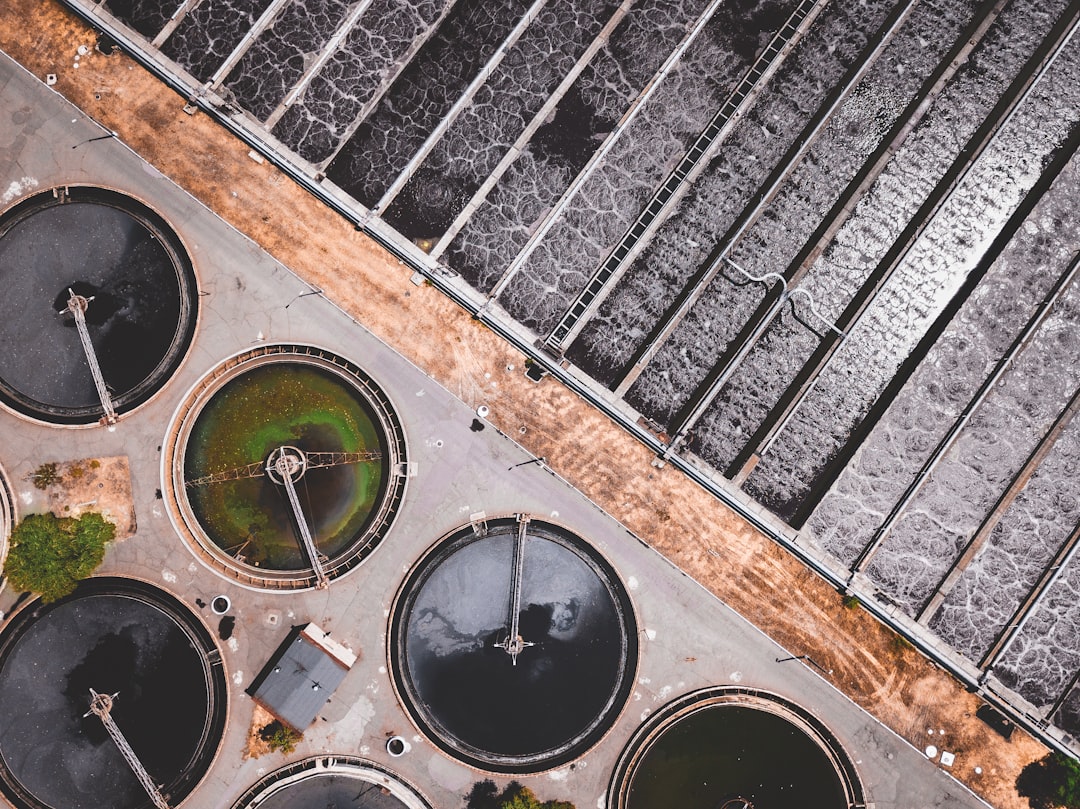
Filters require periodic backwashing—reversing water flow to flush accumulated particles. This maintenance is scheduled based on pressure readings that indicate when filters are becoming clogged. Backwash water, containing concentrated contaminants, requires separate treatment before discharge.
Disinfection: Eliminating Pathogens
Even after filtration, water may contain bacteria, viruses, and protozoa. Disinfection kills these pathogens to ensure microbiological safety. Chlorine, the most common disinfectant, is effective, economical, and leaves residual protection in distribution systems. Chlorine dosing must balance effectiveness against taste and potential formation of disinfection byproducts.
Alternative disinfection methods include chloramines (chlorine combined with ammonia), which last longer in distribution systems and produce fewer byproducts but are less effective against some organisms. Ultraviolet light disinfection uses high-intensity UV lamps to damage pathogen DNA, providing effective treatment without adding chemicals, though it leaves no residual protection.
Ozone, a powerful oxidant, kills pathogens effectively and improves taste and odor but is expensive and leaves no residual. Many facilities use multiple disinfection steps—primary disinfection with UV or ozone followed by chlorine or chloramine for residual protection.
pH Adjustment and Corrosion Control
Water chemistry must be adjusted to prevent pipe corrosion and scale formation. Water that's too acidic dissolves metals from pipes, potentially releasing lead or copper. Alkaline water can deposit mineral scale that clogs pipes. Operators add chemicals to adjust pH and alkalinity to optimal ranges, typically around pH 7-8.5.
Corrosion inhibitors like phosphates create protective coatings on pipe interiors, preventing metal dissolution. This is especially critical for systems with lead service lines still connecting some older homes to mains. Proper corrosion control protects public health and extends infrastructure lifespan.
Fluoridation: Dental Health Addition
Many water systems add fluoride at carefully controlled concentrations to reduce tooth decay. This public health measure has dramatically improved dental health since its introduction in the mid-20th century. Operators maintain fluoride levels around 0.7 mg/L—enough for dental benefits without causing fluorosis.
Fluoridation requires precise chemical dosing and continuous monitoring. Different fluoride compounds may be used depending on system size and preferences, including hydrofluorosilicic acid, sodium fluoride, and sodium fluorosilicate.
Storage and Distribution: The Hidden Network
Treated water flows to storage facilities—elevated tanks, ground-level reservoirs, and standpipes—that provide pressure for distribution, reserve capacity for high-demand periods, and emergency supply. These facilities are strategically located throughout service areas, typically holding several hours to days of supply.

Distribution systems consist of pipes ranging from large transmission mains several feet in diameter to small service lines connecting individual homes. These networks span thousands of miles in large cities, representing billions of dollars in infrastructure. Pipes are sized to maintain adequate pressure and flow throughout the system while minimizing energy costs for pumping.
Pumping stations boost pressure where gravity alone is insufficient, such as in hilly terrain or tall buildings. Modern systems use variable-speed pumps controlled by sophisticated computer systems that optimize energy use while maintaining service quality.
Continuous Monitoring and Testing
Water quality doesn't end at the treatment plant. Utilities continuously monitor distribution systems through sensors and regular sampling. Parameters include chlorine residual, pressure, turbidity, and microbial indicators. Advanced systems use online sensors providing real-time data on water quality throughout the network.
Laboratory testing includes hundreds of parameters regulated by environmental agencies. Tests check for bacteria, chemicals, metals, disinfection byproducts, and emerging contaminants. Results are documented and reported to regulators, with violations triggering notifications to consumers.
Operators work 24/7 monitoring systems, responding to main breaks, adjusting treatment processes, and ensuring continuous service. Control rooms feature real-time dashboards showing system status, with alarms alerting staff to any irregularities.
Challenges and Modern Solutions
Water utilities face numerous challenges including aging infrastructure, emerging contaminants, climate change impacts, and cybersecurity threats. Pipe replacement programs address aging mains prone to breaks and leaks. Advanced treatment technologies remove newly discovered contaminants like pharmaceuticals and PFAS compounds.
Smart water systems use sensors, data analytics, and automated controls to improve efficiency and detect problems quickly. Leak detection systems identify water losses, while pressure management reduces stress on pipes. Geographic information systems map infrastructure, helping utilities plan maintenance and respond to emergencies.
Drought and climate change require utilities to diversify water sources, implement conservation programs, and sometimes consider alternative supplies like desalination or water reuse. These adaptations ensure reliable supply despite changing conditions.
Conservation and Sustainability
Treating and distributing water requires significant energy for pumping, treatment processes, and facility operations. Water utilities increasingly focus on energy efficiency through better equipment, process optimization, and renewable energy. Some facilities generate power from water pressure or wastewater treatment processes.
Conservation reduces demand, allowing utilities to defer expensive infrastructure expansions. Public education, efficient fixtures, pricing structures, and landscaping programs all contribute to reduced consumption. Modern systems can reduce per-capita water use significantly while maintaining quality of life.
Conclusion
The next time you turn on your tap, remember the sophisticated journey that water has undertaken. From natural sources through multiple treatment processes, rigorous testing, and vast distribution networks, clean water on demand represents remarkable engineering and dedicated professionals working around the clock. This infrastructure, often hidden underground and taken for granted, is essential to public health, economic activity, and quality of life. Understanding and appreciating this system helps us value water as the precious resource it is and supports the continued investment necessary to maintain and improve these vital systems for future generations.